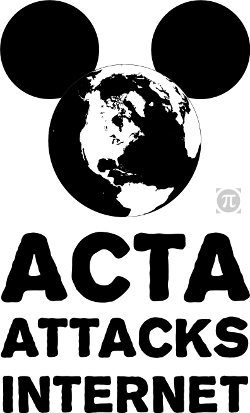
 Evropska komisija i 22 članice EU potpisale su kontroverzni “Trgovinski sporazum protiv falsifikovanja”(ACTA) koji je uzrokovao hakerske napade i ulične proteste u evropskim gradovima.
Kipar, Estonija, Njemačka, Holandija i Slovačka jedine su članice EU koje nisu stavile potpis na ceremoniji održanoj u Tokiju.Evropska komisija saopštila je da je riječ o čistoj proceduri i da će i ove članice uskoro potpisati ACTA.Međunarodni sporazum stvoren je u proteklih pet godina u razgovorima vođenim iza zatvorenih vrata između članica EU i odabranih članova Svjetske trgovinske organizacije (STO) radi zaštite prava intelektualne svojine na digitalnim i fizičkim proizvodima.
Brisel tvrdi da EU gubi oko osam milijardi eura godišnje zbog falsifikovanih predmeta, koji preplavljuju tržišta i da će ACTA zaštiti radna mjesta.
ACTA će stupiti na snagu nakon ratifikacije u Evropskom parlamentu i u članicama EU.
Sporazum izaziva negodovanje među aktivistima pokreta za slobodu govora, koji smatraju da ACTA vlastima daje previše ovlaštenja i ide dalje od isto tako kontroverznog američkog zakona “Stop onlajn piratskim aktima” (SOPA).
Ceremoniju potpisivanja ACTA pratili su značajni protesti u Briselu i Poljskoj.
Sporazum su do sada potpisale SAD, Australija, Kanada, Japan, Maroko, Novi Zeland, Singapur i Južna Koreja.
Protesti zbog ACTA dolaze nekoliko dana nakon koordinisanog protivljenja američkim zakonima iz “Stop online piratskim aktima” (SOPA) i “Protest intelektualne imovine akta” (PIPA).
U znak protesta nekoliko popularnijih internet stranica (Wikipedia i sl.) zatamnilo je početne strane i bili su “ofline” cijeli dan. Diskusije o SOPA i PIPA nacrtima u Predstavničkom domu i Senatu su odgođene.
izvor: rse.org








 javniservis.me
Evo mraka na velika vrata.Uzdam se da ce slobodni umovi smisliti neku alternaciju ovom,
najnovijem vidu globalne kontrole.
osim za elite na vlasti udruzivanje ljudi putem interneta je postalo presnazno i preopasno i za vlastodrsce u sjenci. Dovoljno je za primjer uzeti occupy wall street, koji je pokazao moc interneta diljem svijeta. Sprovodeci u djelo razne ACTE i SOPE, PIPE i zatvorske kazne jasno je da vlade zele da ogranice i slobodu izrazavanja koju internet sada daje, a sve pod krinkom zastite prava autora. Nasa Vlada jedino ne treba brinuti, jer ona je zaslužna što uopšte imamo internet, hvala ti vlado i ti kome! :)
Meet SOPA's evil twin, ACTA
The brouhaha over the American internet piracy bill has died down, giving way to proposed international legislation with many similar elements.
By Dan Mitchell, contributor
FORTUNE — It's only fitting that a loud, global outcry over ACTA, an international agreement to govern intellectual property, began just after the anti-piracy bills SOPA and PIPA were shelved by the U.S Congress in the face of massive public pressure. If “copyright maximalists” can't get legislation passed, writes TechDirt's Mike Masnick, “they resort to getting these things put into international trade agreements, which get significantly less scrutiny.”
Not that the “maximalists” — including the movie and music industries — were following such a timeline, exactly. ACTA — the Anti-Counterfeiting Trade Agreement (PDF) — is their backup, and they've been working on it for years. It's stirring protests now because Poland, Ireland and the European Union announced they would sign on this week, moving the pact closer to reality.
Like many trade agreements, ACTA is a confusing mess. Even its signatories don't agree on how it's supposed to work. The way it's been pushed forward has also been unruly — talks have been held in secret, without any kind of legislative oversight or input from citizens or public-interest groups. The public only became aware of it in 2008, a couple of years after discussions began, when Wikileaks published a discussion paper. Since then, drafts of the pact have been released to the public, each successively less onerous to critics. Reportedly, though, big media and pharmaceutical lobbyists have been privy to the talks all along
Not that the critics are appeased. People in Poland are even marching in the streets in protest. The online vandals of Anonymous have attacked governments and businesses around the world.
Part of the confusion, and ire, comes from the fact that ACTA combines counterfeiting and piracy as if they were similar, when in reality, they're very different. Counterfeiting is when a customer is duped into buying, say, a fake iPod or a knockoff Gucci handbag. Piracy is when someone, for instance, distributes an unauthorized copy of a movie or song. Different kinds of laws apply to each, or are supposed to. Copyright holders (movie studios, record labels, etc.) often try to meld anti-piracy measures with those aimed at counterfeiting, which are usually less controversial. SOPA and PIPA were similar to ACTA in this regard.
The whole thing is so muddled that it's not entirely clear what effect it will have on U.S. law or how it's enforced — though proponents insist that it merely supports current laws by providing a basic legal framework for their enforcement. Critics say it will put Internet service providers in an untenable position, making them potentially liable for their customers’ alleged actions and thereby forcing them to comply with requests from copyright holders for user data, with no due process. It's one thing when a judge orders you to hand over data. It's quite another when the order comes from Viacom.
Masnick says the biggest problem with the pact isn't that it will change U.S. law — it “probably” won't, he writes — but that it will lock down current law that governs enterprises, like technology and Internet media, that are in constant flux and are driven by innovation. To comply with the agreement, “the US needs to retain certain parts of copyright law that many reformers believe should be changed,” he writes.
Critics also say that activities such as non-commercial file-sharing, which are normally handled by civil courts, could be turned into crimes because the agreement is unclear on precisely what “commercial-scale” piracy is. Piracy for commercial gain is covered, but so is “significant willful copyright or related rights infringements that have no direct or indirect motivation of financial gain.” It all depends on what the meaning of “significant” is. In other words, if you download a movie — or maybe it has to be three movies, or 300 — it's possible that rather than a summons-server knocking on your door, it would be a cop. But again, this isn't entirely clear because the language is so vague and because it's impossible to tell how U.S. enforcement agencies will interpret it.
There are lots of other problematic provisions in ACTA, having to do with seed patents, generic drugs and other matters (watch this space for more), but the loudest criticisms so far have to do with its copyright provisions. In 2010, 75 law professors signed a letter to President Obama urging him not to sign the pact.
They went unheeded. Obama signed the pact — which was originally developed by the United States and Japan — last year. Other current signatories include Australia, New Zealand, Canada, Morocco, Singapore, and South Korea.
There are questions as to whether it was even legal for Obama to sign without the consent of Congress. Democratic Sen. Ron Wyden of Oregon thinks it wasn't. In October, he sent a letter to Obama demanding an explanation. Wyden was a vociferous critic of SOPA and PIPA, and has been critical of ACTA as well — particularly the opacity of its development. In particular, he decried the failure “to give the public a say over issues that so profoundly affect their lives.”
http://tech.fortune.cnn.com/2012/01/26/meet-sopas-evil-twin-acta/
Online peticija protiv ACTA
http://www.avaaz.org/en/eu_save_the_internet/?fp